The Reeves Review And What The OBR Said
The Chancellor’s Spring Forecast 2026 has been roundly criticised for its flimsiness and a lack of content to justify her claims. What did RR say and did the OBR have her back?
RR – or Chancellor Rachel Reeves said her economic plans so far have seen inflation falling and government borrowing down, while living standards and the economy have grown, with people set to be £1,000 better off.
She didn’t say better off since when nor express it in real terms. £1,000 today is not worth the same as it was a year ago with inflation harming buying power and tax thresholds biting at workers’ bank balances – as indicated in the OBR assessment.
Reeves claimed that government borrowing is down by nearly £18 billion compared to last autumn The Office of Budget Responsibility agreed. However, it also pointed to the huge debt the UK is in and how much of GDP goes just to paying interest. The UK is improving its borrowing position in comparison to the six other top economies – but overall is the biggest borrower of the lot. More UK taxes go to paying debt than any other developed economy.
War – what is it good for?
The Chancellor said her economic plan is even more important in a world that has become yet more uncertain, to secure the economy against shock and protect working families.
However, she made no reference to her spending on social initiatives such as SEND (special educational needs and disabilities) and free childcare for working parents which the OBR says will cost £billions.
Employers will be happy with the childcare element as it frees up more workers into the market – they will not be pleased at how much more tax they have to pay, on top of increased National Insurance contributions to make it work.
The OBR reckons that most employers are spending more on tax and labour per output product than ever (each window costs more to make) whilst margins are being pushed so low, it is hard to make any real money. Investment and hiring are both down.
The OBR also says that tightening rules on migration will push wages up and reduce the labour market over the next six years.
Cutting the cost of living
The OBR’s forecast shows inflation, borrowing and debt interest are all falling and investment rising but at a much slower rate than the Chancellor intimated. However, the OBR is now forecasting that inflation will return to target in the second half of this year. This is earlier than forecast in November of last year.
The decisions the Chancellor took at the last Budget to ease the cost of living, including reducing people’s energy bills by £150 and freezing rail fares, are specifically expected to bring inflation down by 0.4ppt in 2026-27.
Minimum wage
Rachel Reeves told the House of Commons: “Easing the cost of living is the government’s number one focus. That’s why we are boosting the minimum wage for millions of workers, fully-funding 30 hours of free childcare, rolling out free breakfast clubs and helping family incomes by removing the two-child limit.”
Easing the cost to employers did not feature in RR’s statement.
Cutting borrowing
Putting borrowing into context, the OBR forecast shows borrowing is down by nearly £18 billion compared to last autumn, with borrowing this year set to be the lowest in six years and falling below the G7 average for the first time in 22 years.
Reeves took credit, saying: “Already, we are expected to spend nearly £4 billion less on debt interest next year than was forecast. This is money that can instead be spent on the things people rely on like our NHS and public transport.”
Everyone of us owes £100,000
According to the BBC, as of late 2025 and early 2026, the UK public sector net debt is approximately £2.9 trillion to £3 trillion, representing roughly 95%–96% of GDP. This amount is equivalent to over £100,000 per household, with projections suggesting it will exceed £3.5 trillion by the 2030-31 financial year.
The OBR’s forecast shows GDP per person is now set to grow more than was expected in the Autumn Budget – with growth of 5.6% over the Parliament. Despite. Britain’s economy had faster growth than any other European country in the G7 in 2025. But the OBR points out, it had the biggest shrinkage during Covid and because of Brxit.
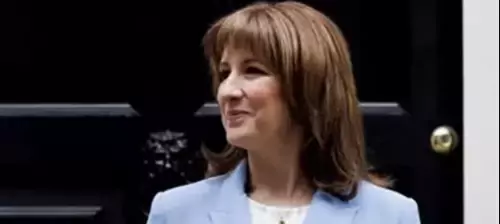
Picture: Chancellor Rachel Reeves.
The Economic and Fiscal Outlook has been published on gov.uk