Against All Odds – Take A Look At March Now
Data gathered in March paints a picture of a window & doors market that is continuing to stabilise and even strengthen in some areas, against all odds.
This according to Neil Cooper-Smith, the senior analyst at Business Pilot. He writes:
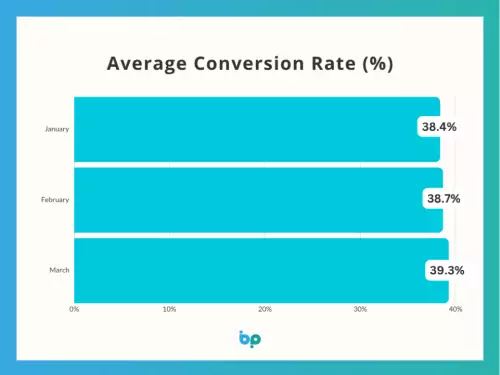
Conversion rates edged up again, rising from 38.7% in February to 39.3% in March. This represents a modest but meaningful improvement of around 1.5%. This continues the gradual upward trend seen since the start of the year and suggests that, despite external pressures, installers are becoming more effective at turning opportunities into confirmed work.
This is backed up by lead volumes. After February’s dip, March saw a partial recovery, with volumes increasing by around 5.5% month-on-month. While not a full return to January’s peak, this rebound suggests that underlying demand is still present, albeit more volatile.
Sales
Sales performances were also notably stronger in March, increasing by 7% compared to February and continuing the positive momentum established at the start of the year. This means sales growth once again outpaced lead growth, which is an important signal that businesses are extracting more value from each enquiry.
In practical terms, this points to improved sales processes, stronger follow-up – and potentially better-qualified leads entering the funnel.
Average order values
However, average order values fell by £817 to £3,876, from February’s unusually high peak. While this 17% decline may initially appear concerning, we believe that this is more accurately understood as a normalisation following a spike, rather than a collapse in demand. The February uplift likely reflected a concentration of higher-value projects, whereas March shows a broader mix of mid-range jobs returning to the market.
What makes this data particularly interesting is how these trends co-exist with wider economic factors.
Neil Cooper-Smith writes: UK inflation held at 3.0% in the year to February, yet economists are now warning that rising energy costs linked to the conflict in the Middle East could push inflation higher again in the coming months. Indeed, oil prices have already surged sharply, driving up fuel costs and increasing pressure on both households and businesses.
This is already feeding into consumer sentiment.
Confidence slipped in March, with sentiment indicators falling further into negative territory, reflecting growing concern about personal finances and the wider economy. Consumer confidence indexes suggest most UK consumers now expect the economic situation to worsen in the near term, driven largely by rising living costs and uncertainty linked to global events.
For the home improvement sector, this creates a nuanced environment. On one hand, rising costs, particularly energy, materials and interest rates are likely to keep pressure on pricing and margins. On the other, the data suggests that when consumers do engage, they are increasingly decisive, with sales conversion and overall sales values holding up well.
Picture: Conversion rates edged up again, rising from 38.7% in February to 39.3% in March.