Lack Of Clarity Stalling Future Homes Delivery
Experts have warned that a lack of clarity on the Future Homes Standard is creating a major bottleneck for residential projects, leaving architects planning in the dark.
The State of Sustainable Construction 2026 report, published by home improvement specialist Eurocell, features expert commentary highlighting how the absence of a finalised regulatory framework is forcing professionals to make educated guesses on multi-million-pound specifications.
Where are we on the FHS?
The FHS regulations have been published and are expected to become law in December 2026 and officially take effect following a transition period in December 2027. The core requirements of the Standard will be for new homes to be zero-carbon ready, meaning they will be zero-carbon should the electricity grid be fully decarbonized. This involves removing fossil fuel heating systems (gas/oil boilers) in favour of heat pumps or heat networks.
The standard was expected to necessitate ‘very high-quality building fabric,’ including improved insulation and triple glazing – but nothing has been specified.
Many commentators believe the government has left a huge hole in the Future Homes Standard by focussing solely on heating networks – solar, ground source and air source heat pumps.
Adil Haji, Architectural Technician and SAP Assessor at HJK Construction, who contributed to the State of Sustainable Construction 2026 report, noted that the current lack of clarity is making future planning incredibly difficult. He said: “At the moment, we’re planning in the dark. We hope the government will provide firm guidance soon with enough lead time to adapt. Without a clear framework (for example, confirmed fabric targets or system standards) it’s impossible to finalise specifications and accurately cost future projects.
“We’re having to build flexibility into our designs and take educated guesses about compliance. The sooner we have finalised documentation, the better equipped we’ll be to adapt and avoid costly rework.”
Home Energy Model
The report highlights that the FHS was expected to raise the bar significantly on Part L of the Building Regulations, mandating low-carbon heating and improved energy efficiency. However, the transition from the old SAP system to the new Home Energy Model (HEM) has left many in the sector awaiting firm guidance.
Martin Benn, Head of New Build at Eurocell, said: “Sustainability has been on the agenda for a long time, however for developers to lead the way in future-proofing new housing and the wider housing pipeline, they need the confidence to invest in new materials and off-site construction methods.
“Without a stable policy position, we risk a fragmented system where manufacturers and installers cannot scale up in time to meet the government's ambitious targets.”
Need for certainty
The State of Sustainable Construction 2026 report concludes that while the housing sector recognises the urgency of tackling climate change, the practical delivery of the FHS depends on a finalised evidence base and technical working groups to provide the sector with the certainty it needs to innovate.
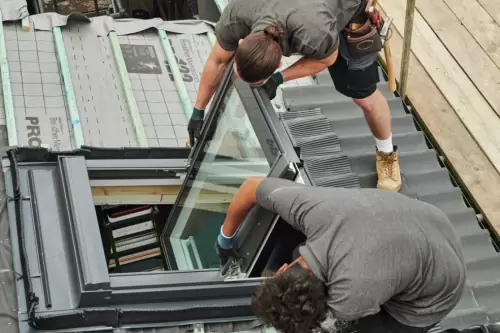
Picture: Eurocell is calling for more clarity on a fabric approach to the Future Homes Standard.